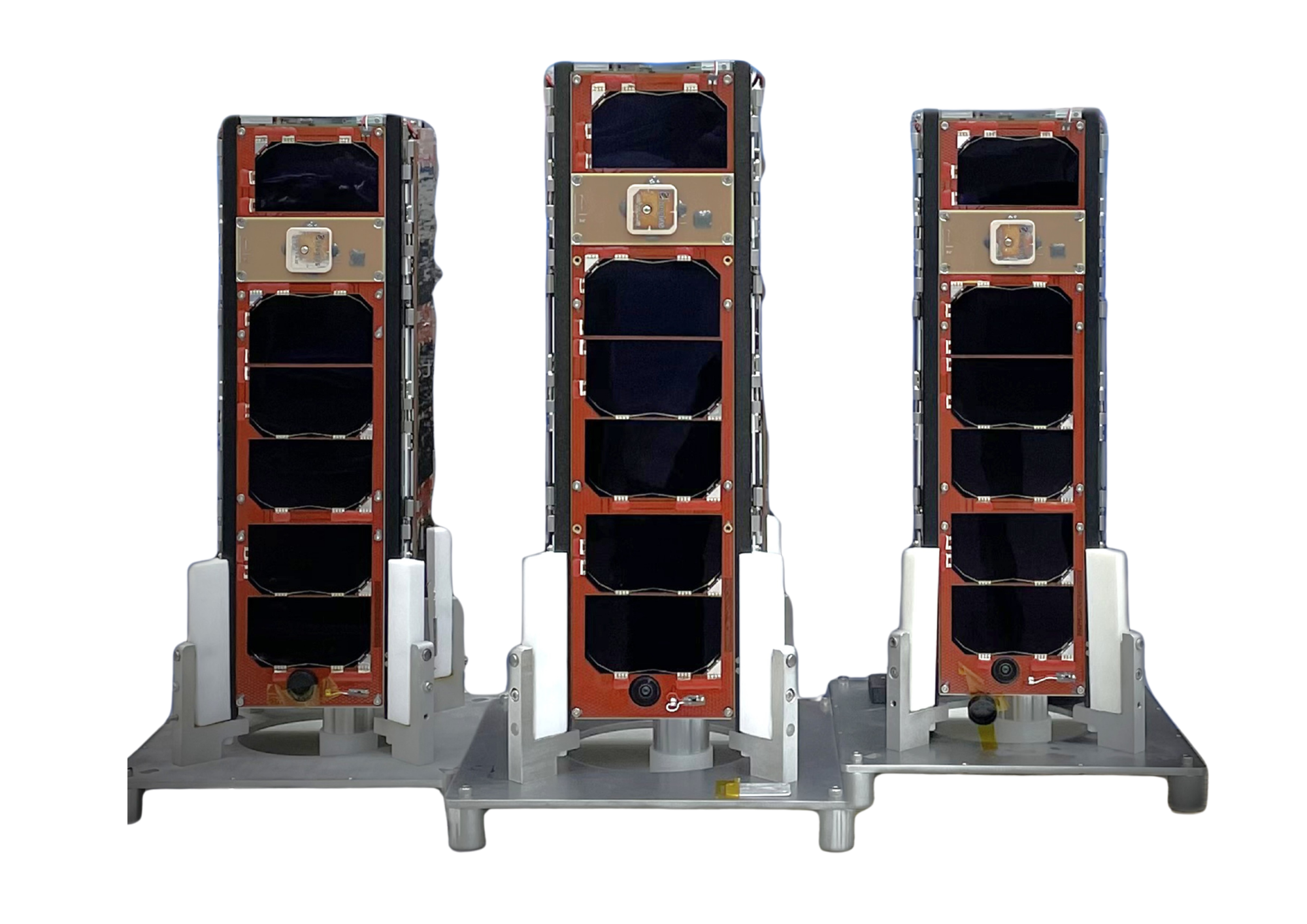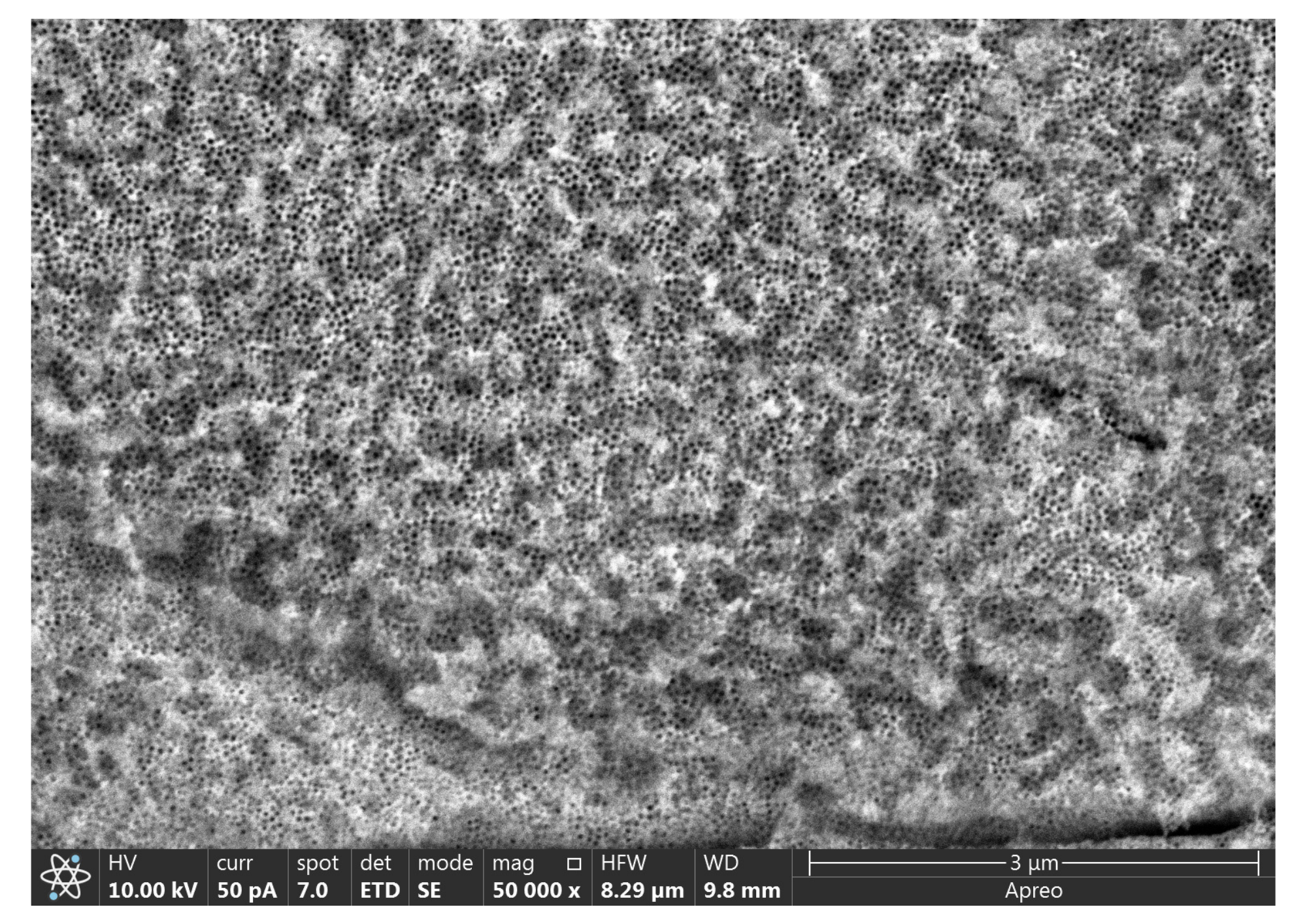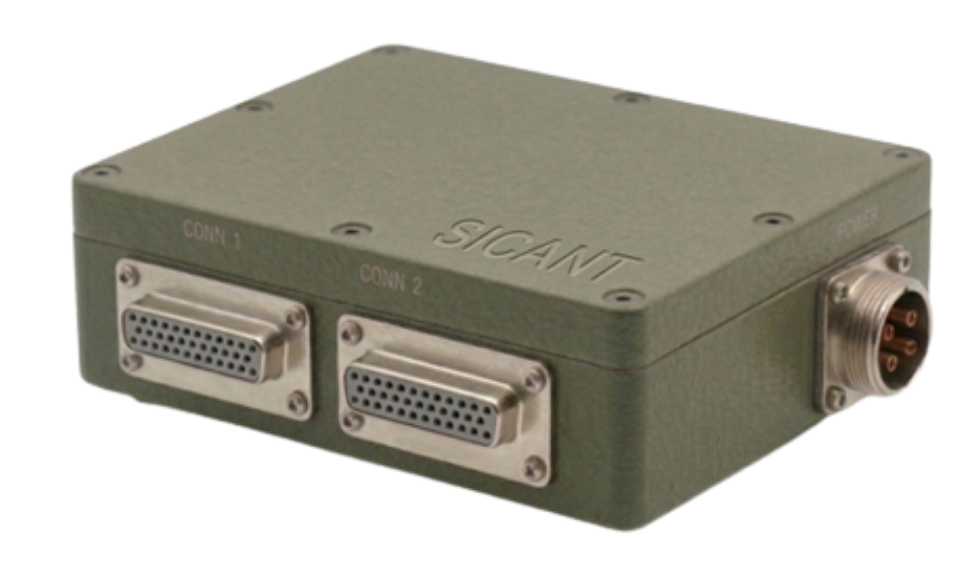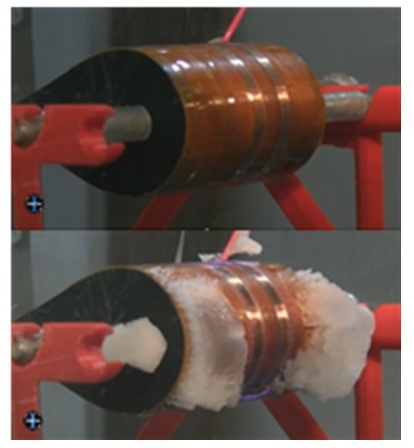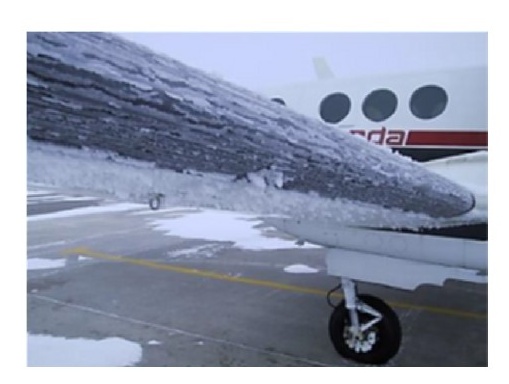

Researchers from the Department of Materials and Structures have developed a electrothermal system capable of removing ice more efficiently.
|
|
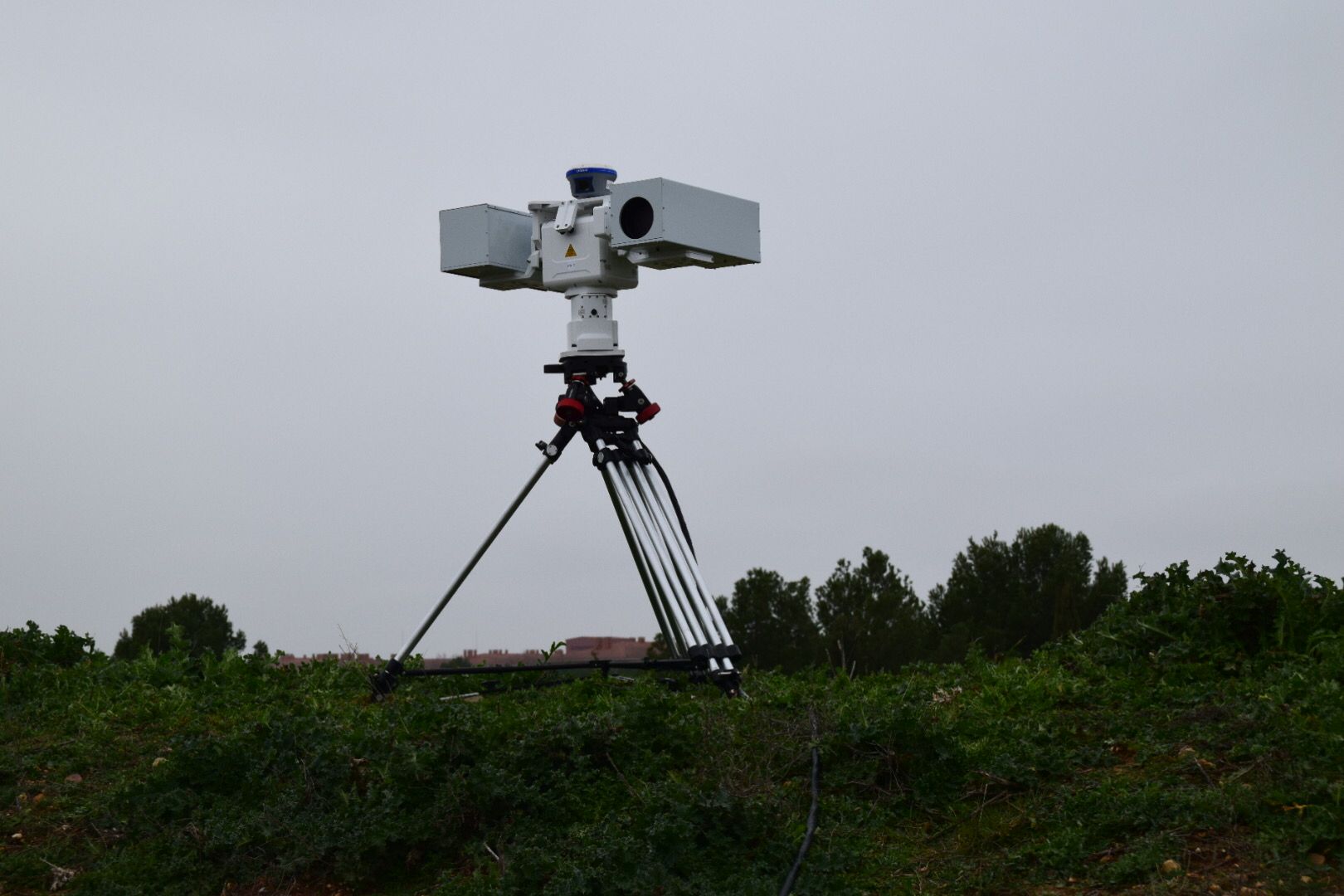
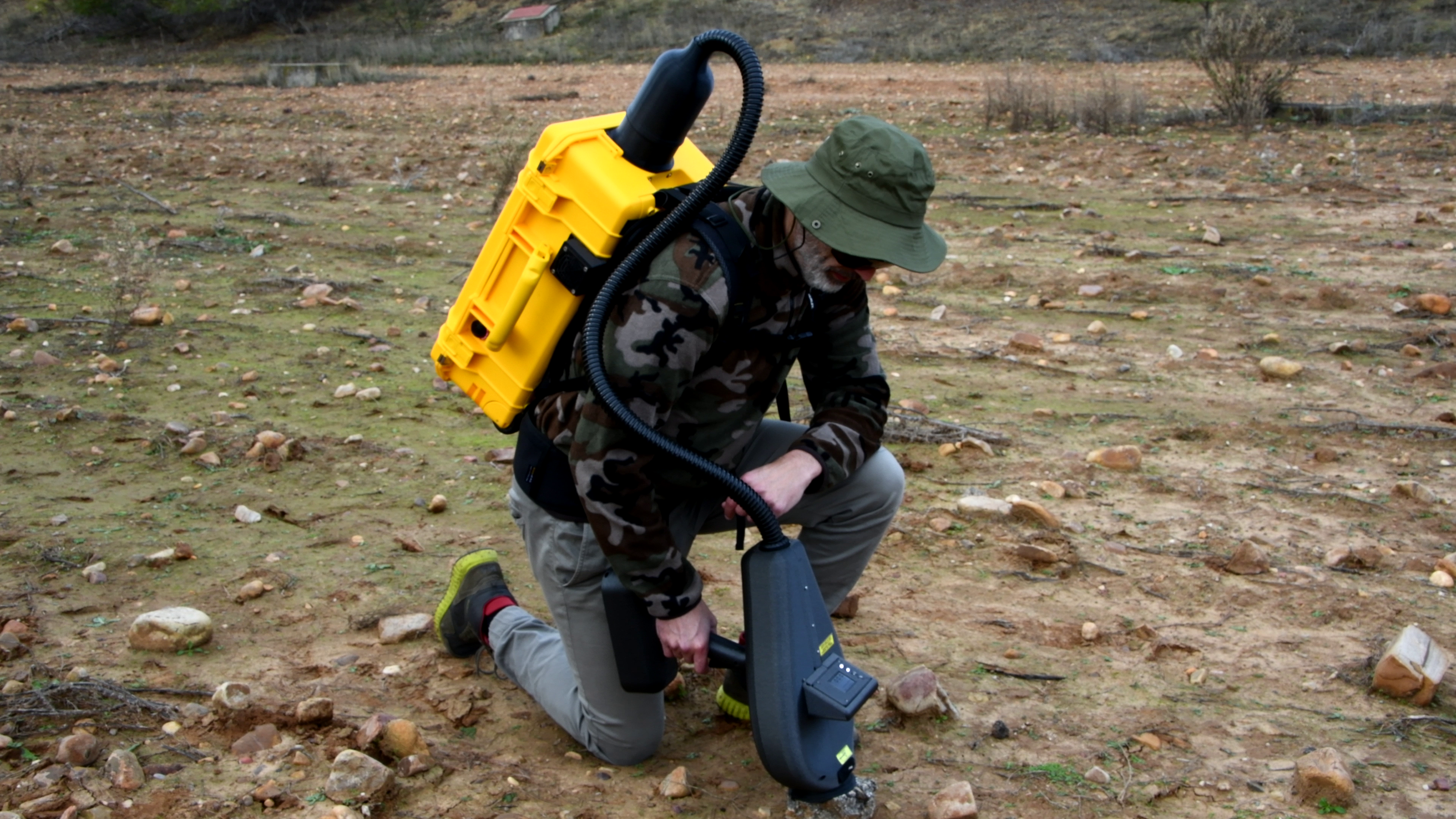
Researchers from the Flight Testing Area at INTA have developed a portable trajectography system that allows for the tracking and measurement of the trajectory (position + time) of any visible object, whether collaborative or not, in unprepared environments.
|
|
|
Researchers from the Department of Composite Materials at INTA have developed an optical fiber-based temperature sensor capable of measuring temperatures close to 0k with high resolution.
|
|
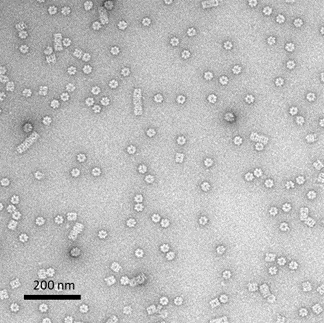
Researchers at the Center for Astrobiology (CAB, INTA-CSIC) have synthesized new proteins from the chaperone family that enhance the protection of enzymatic activity.
|
|
The Space Magnetism Area of the National Institute of Aerospace Technology (INTA) is developing an innovative bidirectional communication and energy transfer system that adapts to any device through self-configuration with its own mechanical attachment.
|
 |
|
The Metallic Materials Area of the National Institute of AerospaceTechnology (INTA) investigates the labelling of materials, throughstrategies for the incorporation of isotopes of natural elements, and thetraceability of the diffusion of these materials in their environment.
|

|
|
The Spanish Astrobiology Center (CAB, INTA-CSIC) has developed new method for detecting queuosine, a new target for preventing bacterial infections and biofilms.
|

|
|
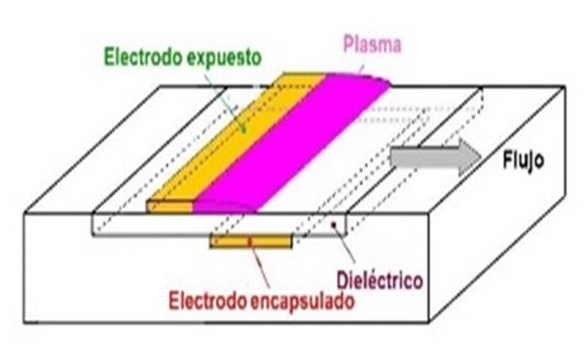
The Experimental Aerodynamics Area of the Spanish NationalInstitute of Aerospace Technology (INTA) investigates thegeneration and control of plasma to adapt the aerodynamics andthe conditions of the air that flows around the bodies
|

|
|
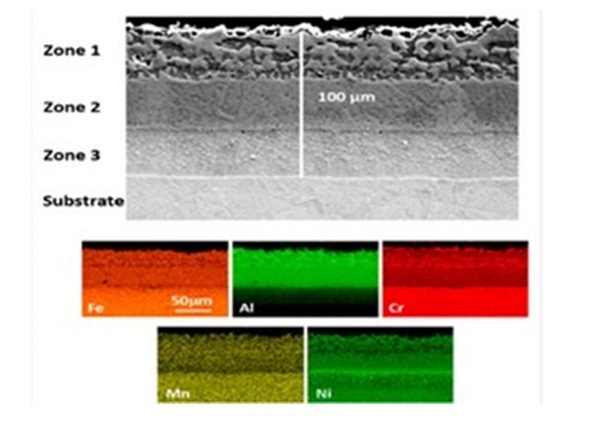
The Metallic Materials Area of the Spanish National Institute ofAerospace Technology (INTA) develops the application ofslurry-type paints to protect metallic materials exposed to hightemperatures in steam atmospheres and other corrosive gases.
|

|
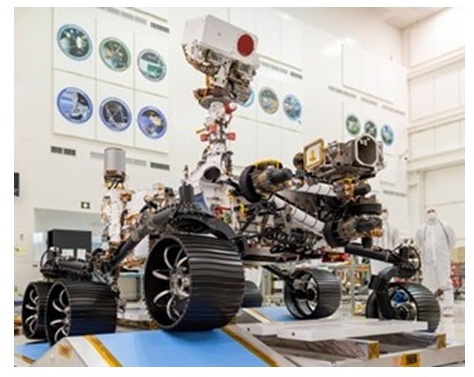
The Spanish Astrobiology Center (CAB, INTA-CSIC) has developed the remote temperature sensor currently in use on Mars,aboard the Curiosity and Perseverance rovers. Its self-calibrationcapability ensures its reliability throughout the mission.
|

|
|
The Experimental Aerodynamics Area of the Spanish NationalInstitute of Aerospace Technology (INTA) investigates thegeneration and control of plasma to adapt the aerodynamics andthe conditions of the air that flows around the bodies
|

|
The Composite Materials Area of the Spanish National Institute of AerospaceTechnology (INTA) has developed a fiber optic sensor that instantly identifiesthe presence of ice on the surface of a body, being able to distinguish differenttypes of ice.
|

|
|
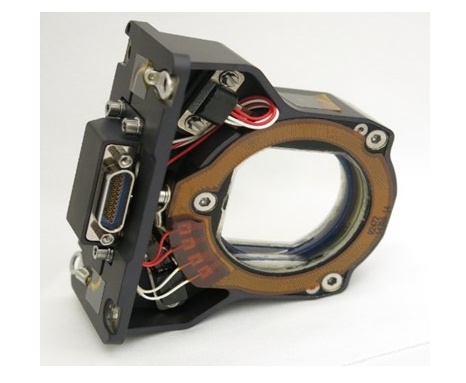
The Space Optics Department at INTA has developed the polarization modulators based on liquid crystals for the PHI and METIS telescopes onboard Solar Orbiter mission, in operation currently. These devices allow the analysis of the light polarization of an scene with significative lower mass, volume, power and cost than the traditional systems. These features make them suitable for their use in small satellites allowing performaces for Earth Observation and Communications systems only achieved before for large satellites.
|

|
|
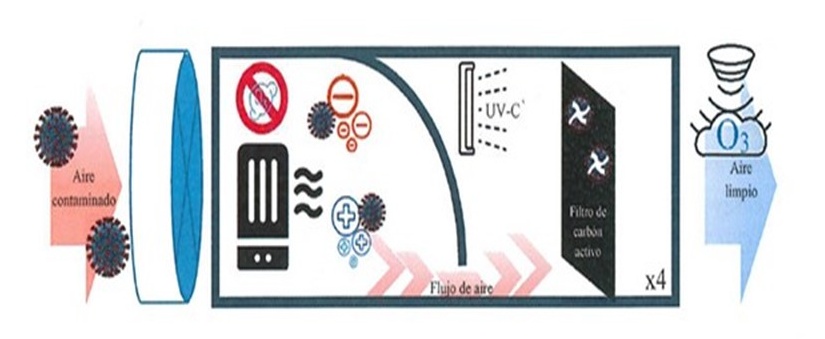
The Department of Optoelectronics and Missile Sciences of theNational Institute of Aerospace Technology investigates theelimination of pathogens, such as SARS-CoV-2, from the air.
|

|
|
|
 |
|
|