
Magnetism
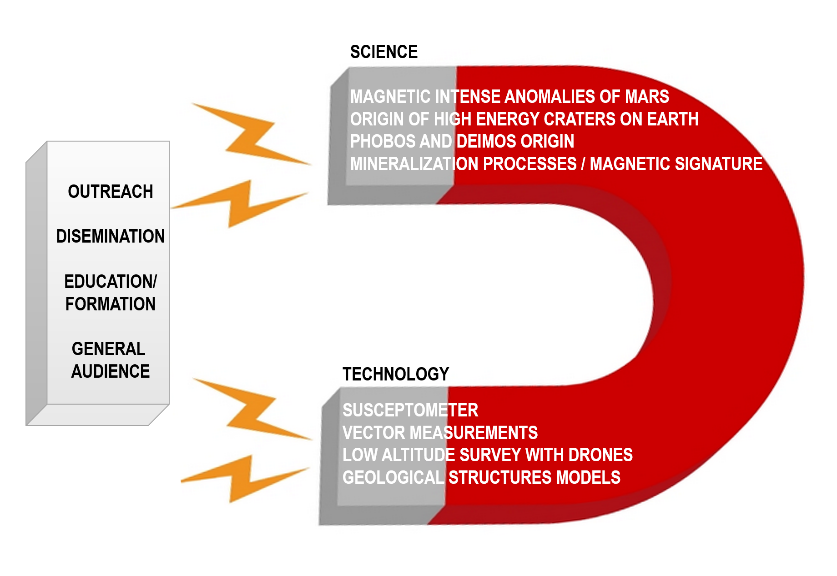
Within the Earth Observation and Space Science Department, the Space Magnetism Area (Área de Magnetismo Espacial - MagnEs) is a scientific technological team focused on:
- The conception and development of magnetic devices for space applications
- New magnetometric techniques
- Magnetic trials for industry, norms and procedures
- Magnetic materials
- Commercial Off The Shelf (COTS) magnetometers
- Magnetic anomalies of planetary crusts with special attention in the rocky planets of the Solar System
In the ten years’ experience, the area has been involved in more than 20 projects of research, development and innovation with different sources of funding (European Commission, Spanish State Program and private enterprises).
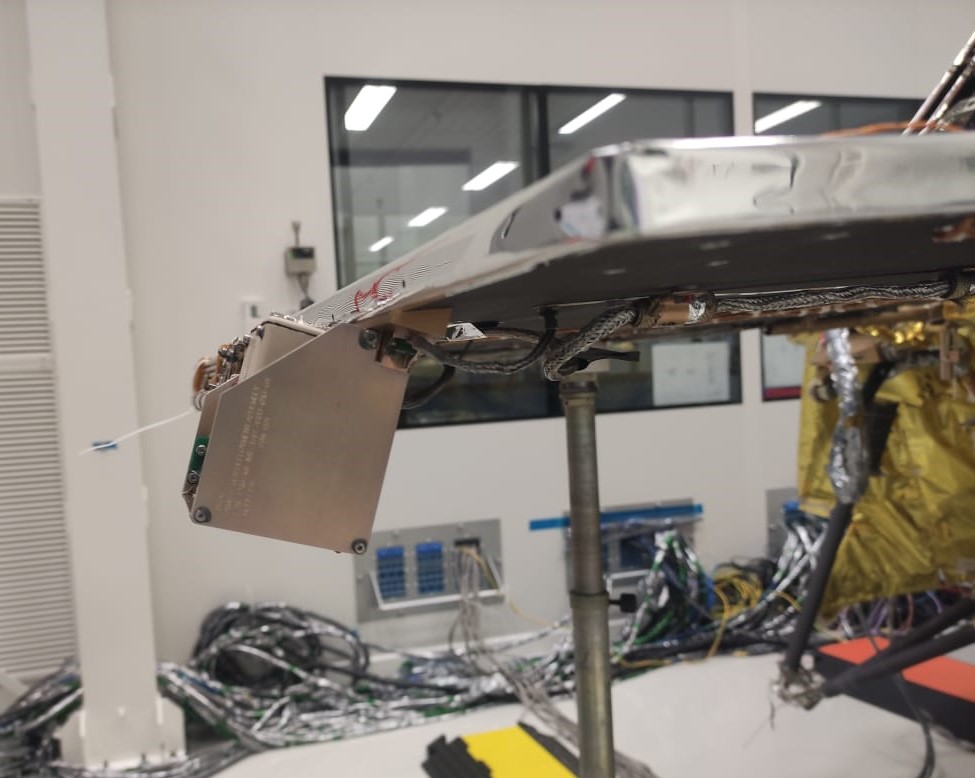
The group has developed magnetic devices and instrumentation for missions like Rosetta, Nanosat-01, Nanosat-1B, OPTOS, MetNet, SPICA and Exomars 2022, and developed tests in multiple missions such as Lisa-Pathfinder, Goce, Sentinel 2-5, SeoSat-Ingenio, Solar Orbiter, OneWeb and Juice.
The Space Magnetism Area thrives on multidisciplinary profiles including Physics, Telecommunication and Mechanical Engineers, maintains an activity of education of research personnel, and receives yearly several students for Master and Degree practices including Physicists, Telecommunication Engineers, Aerospace Engineers, Geologists, etc.
Contact* : magnes@inta.es
History
The origin of the Space Magnetism Area of INTA takes place at the beginning of the 2000s when a line of development of miniaturized and compact magnetic instrumentation was introduced at INTA by means of Commercial Off-The-Shelf (COTS) sensors in the framework of the NANOSAT program.
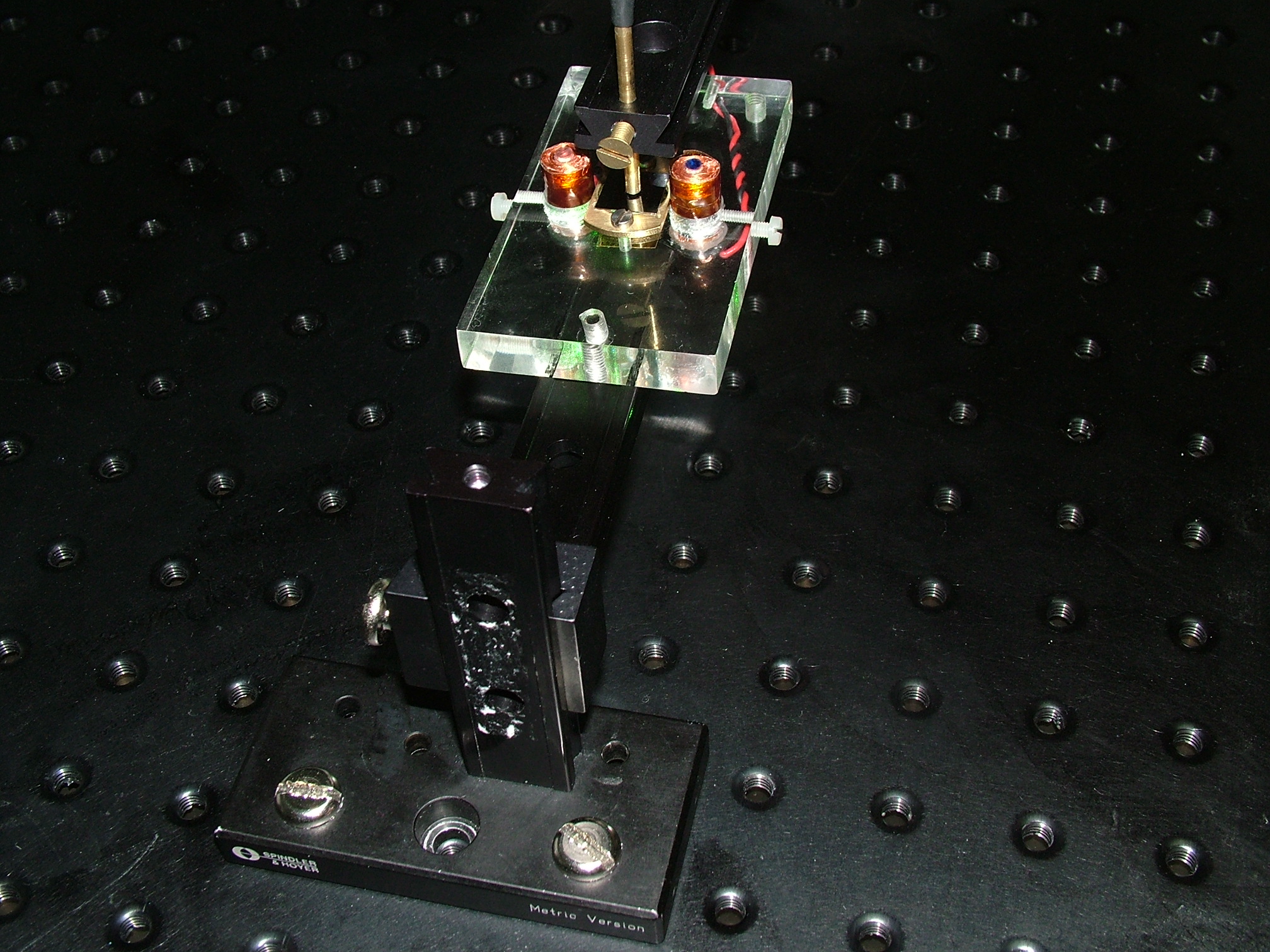
This line leads to an activity of magnetic technologies with two aspects: sensors and actuators based on different principles: Anisotropic MagnetoResistance (AMR), Giant MagnetoResistance (GMR), Micro-Electro-Mechanical Systems (MEMS), inductive devices, mixed systems with permanent magnets, etc.
The magnetic sensors developed, based on emerging technologies, have been extensively tested in ad hoc trials, and validated on the various INTA platforms: NANOSAT-01, NANOSAT-1B and OPTOS. This has allowed raising the level of technological maturity (Technology Readiness Level - TRL) of some of the technologies, making them suitable for space applications. Subsequently, with the instruments derived from this effort, the leap has been made to the exploration of the surface of Mars with the MetNet and Exomars missions.
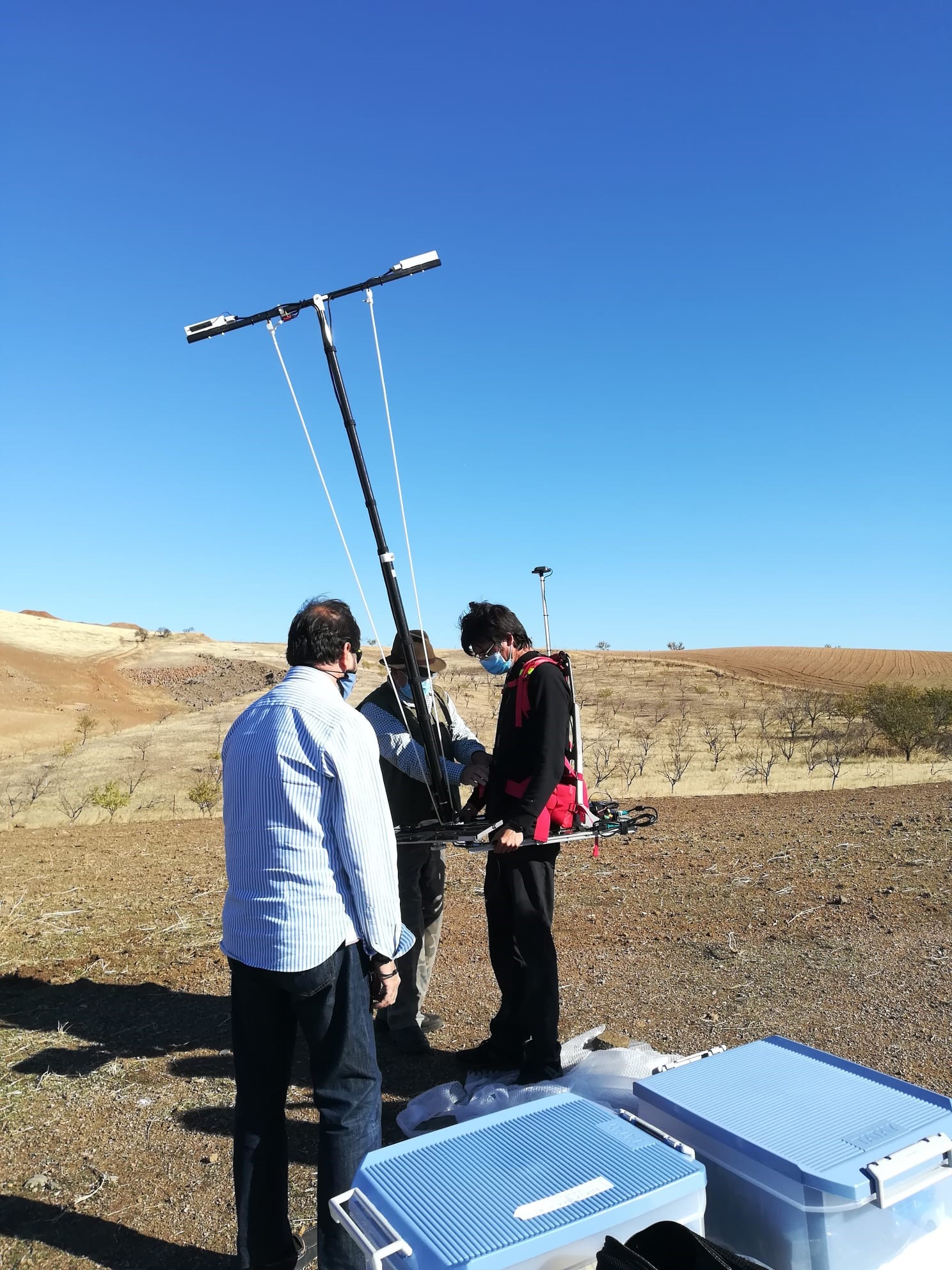
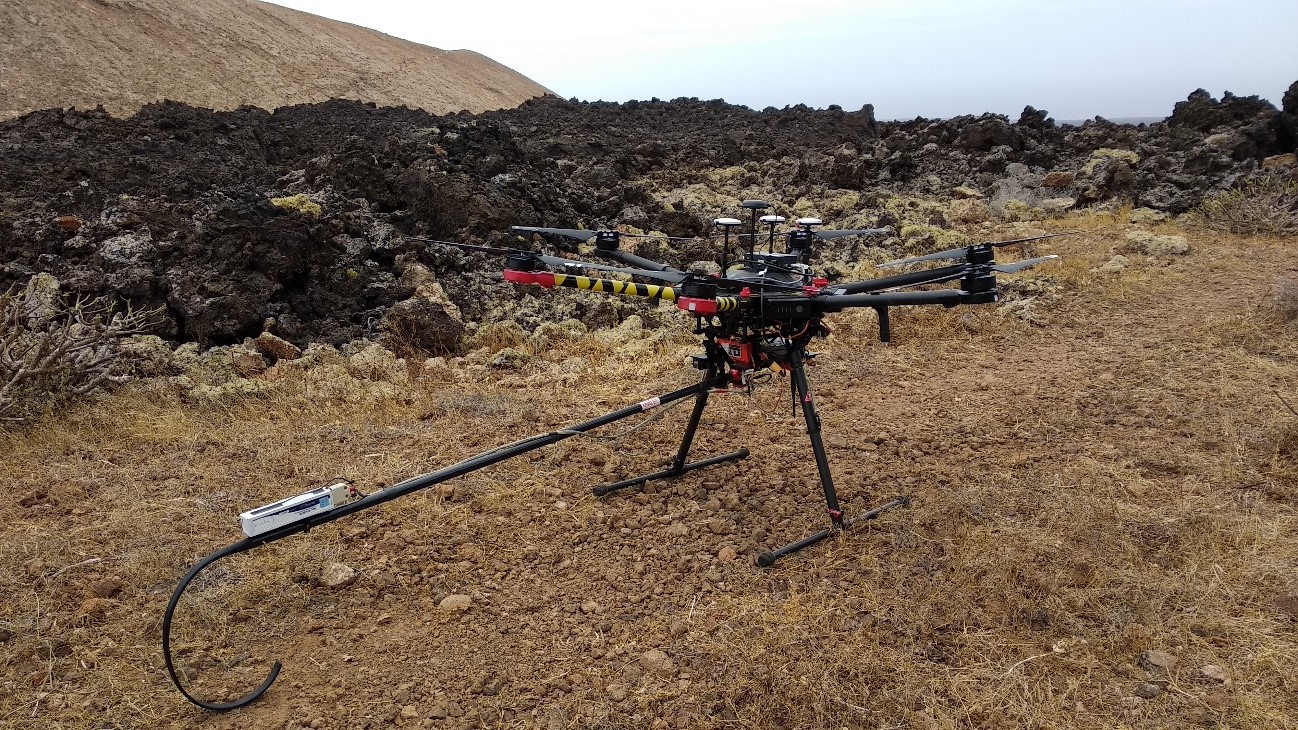
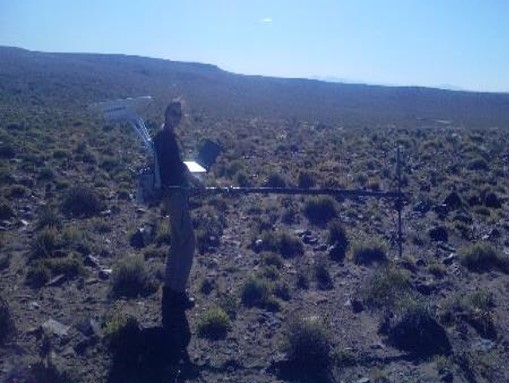
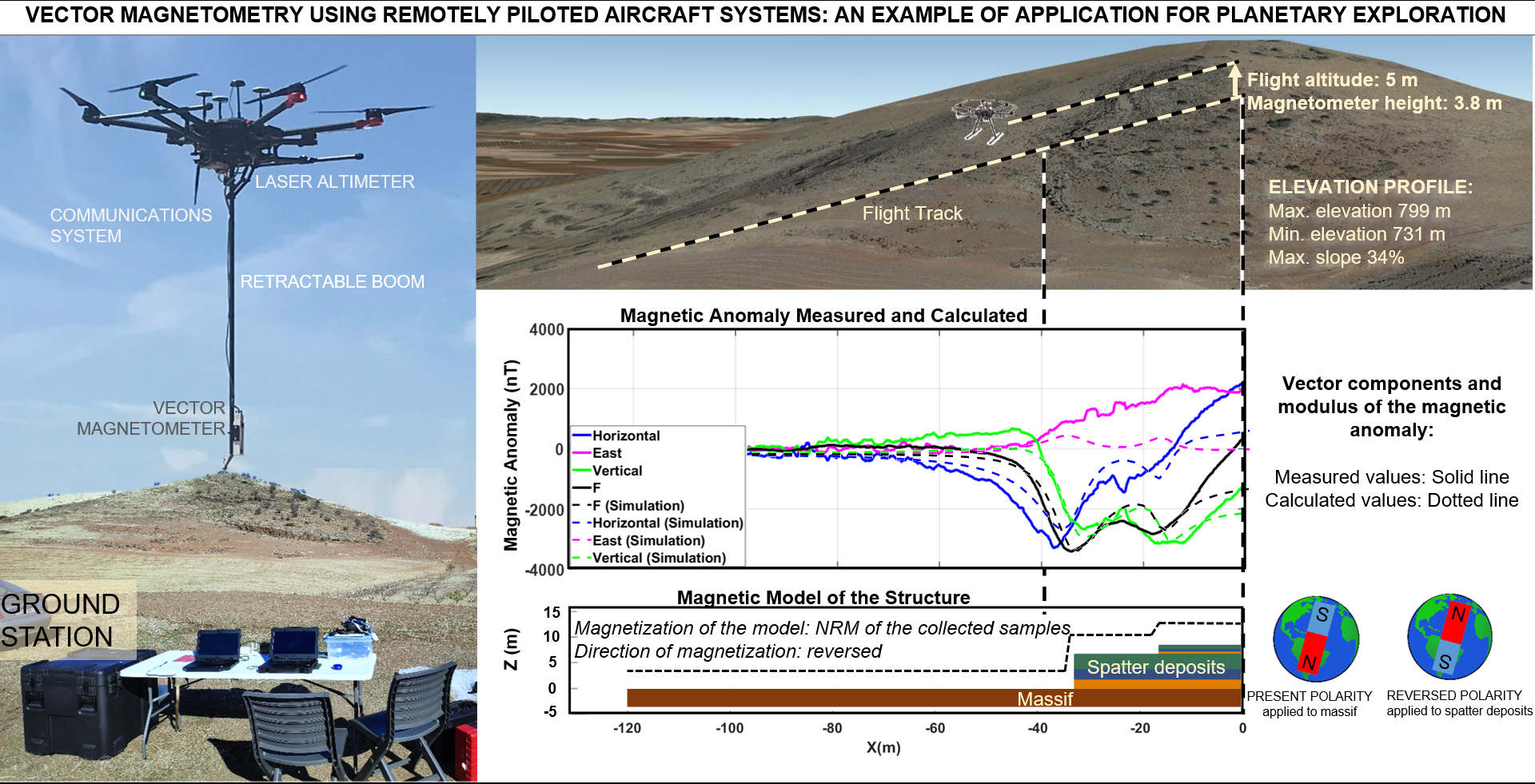
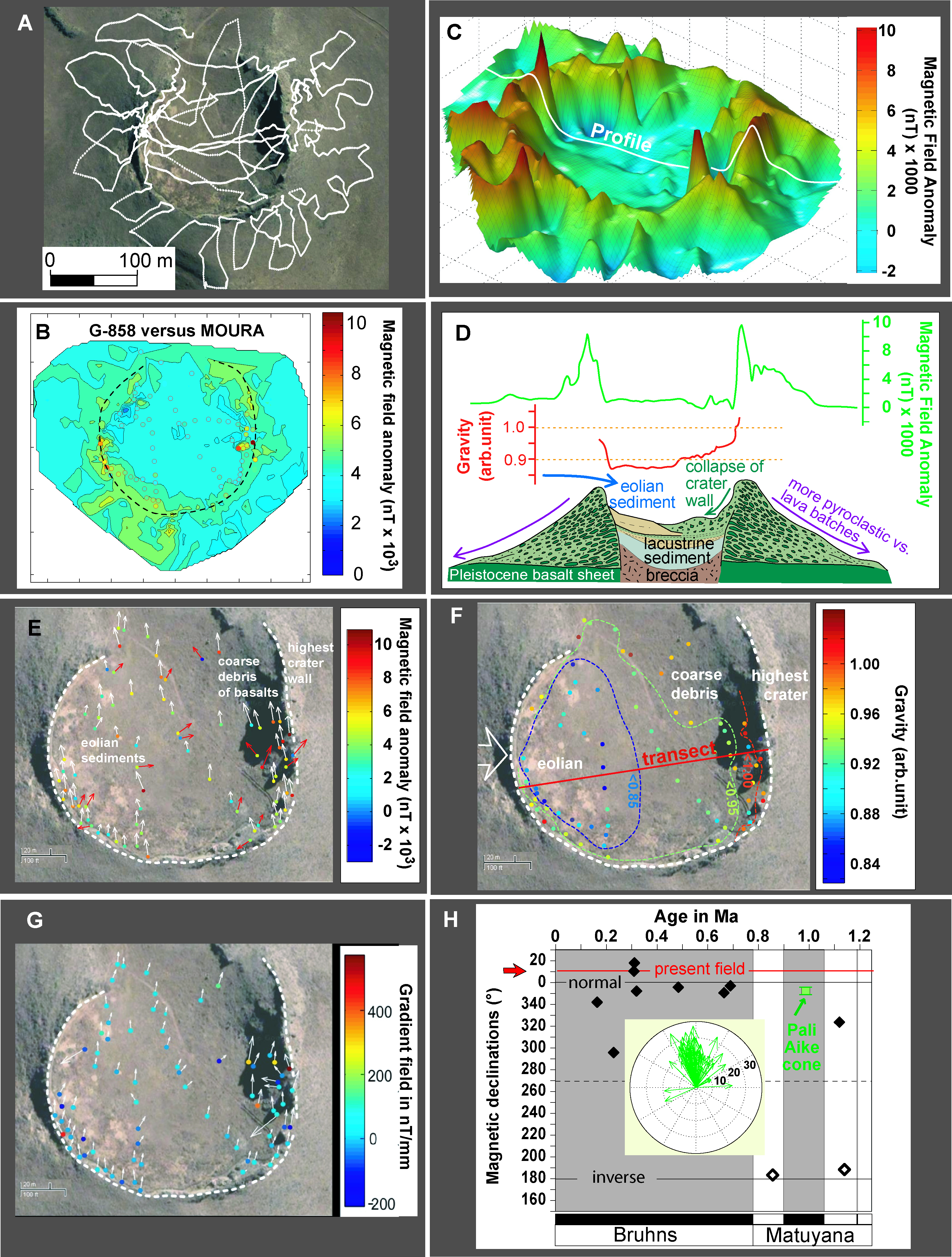
The scientific objective of the instrumentation developed on these missions is to provide fundamental information on the origin and evolution of the surface and crust for a better understanding of the planets.This has led to a research activity on the magnetic signature in terrestrial analogues of Mars and the Moon that includes in situ surveys with proprietary measurement systems, including a vector magnetometry system on board drones, and laboratory analysis of samples in order to relate the magnetic signature to the structures and their compositions, with special emphasis on the magnetic carriers and their phases.
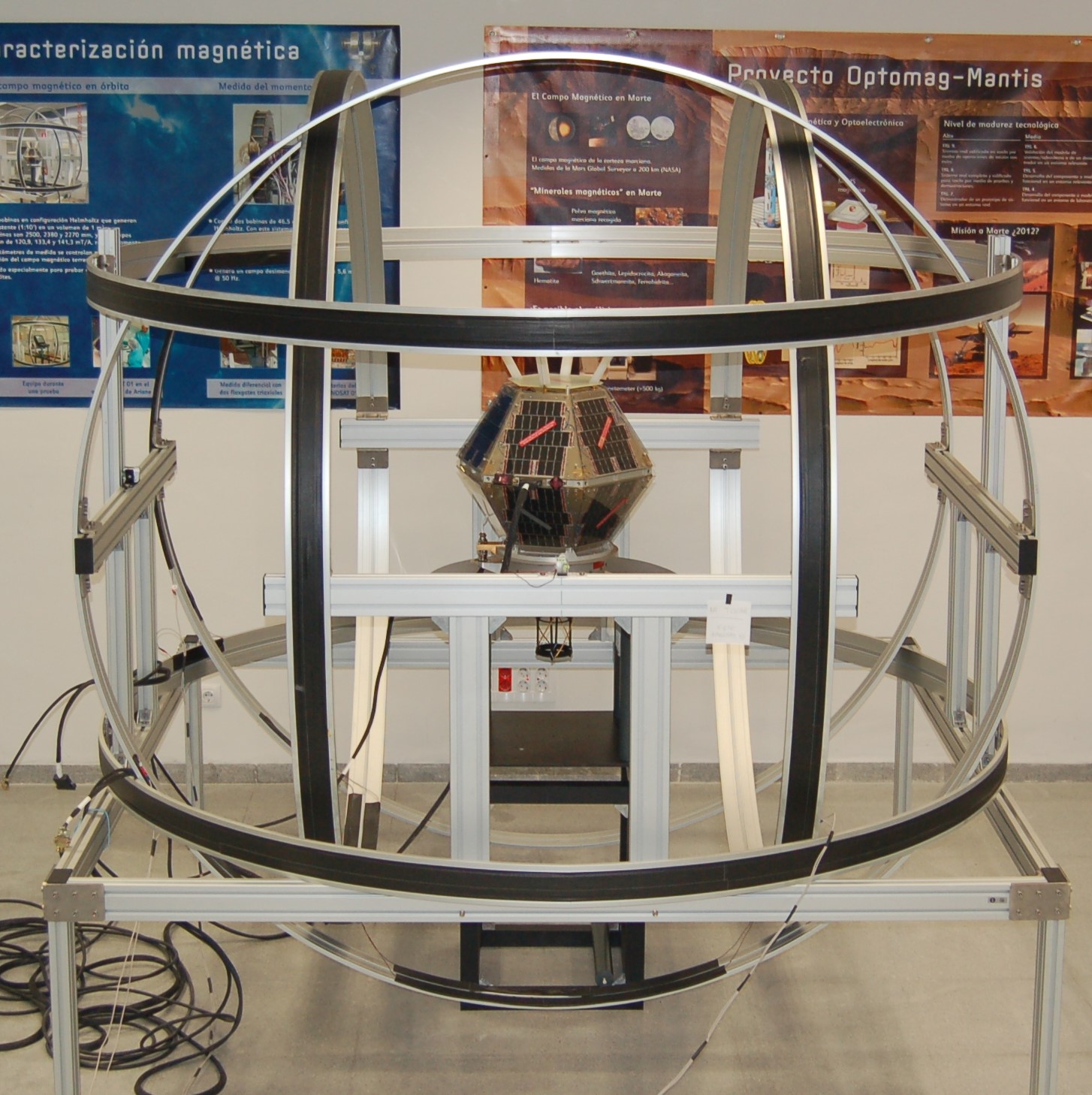
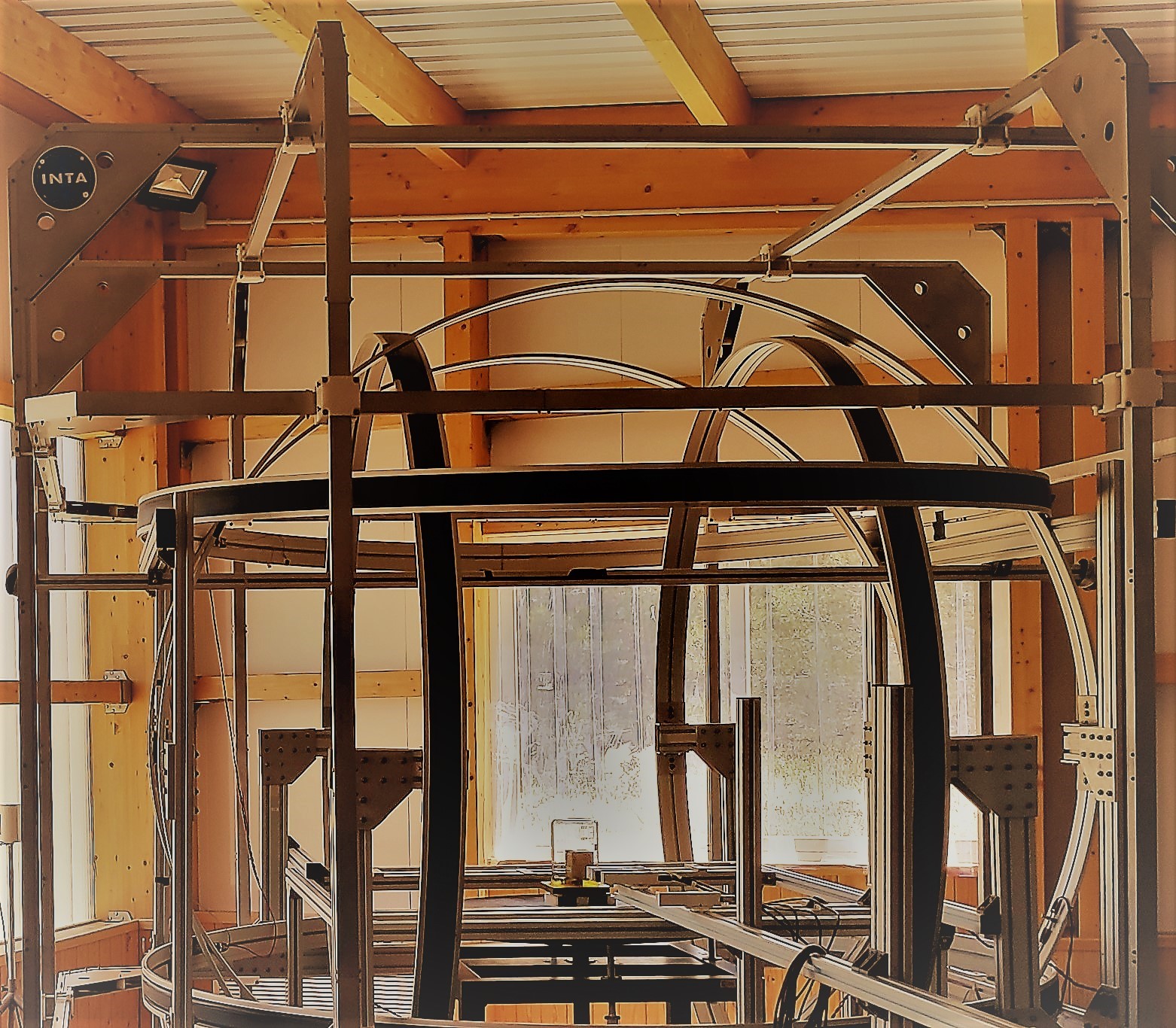
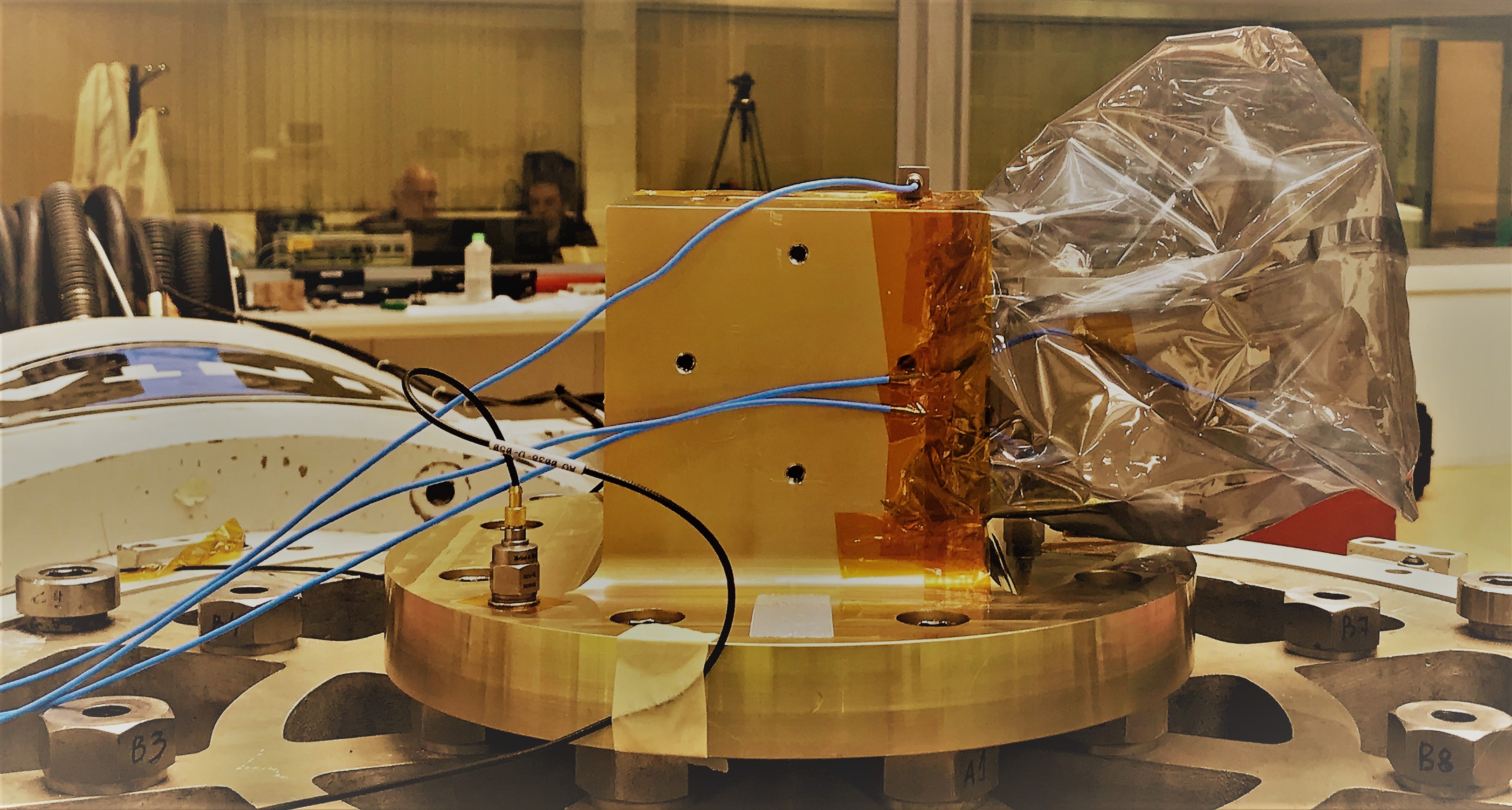
These works have required a transversal activity of magnetic characterization, which has served to consolidate the group's competence in the field of characterization and magnetic contamination tests, as well as in the control of the magnetic signature of materials and equipment. There is currently a testing facility for magnetic characterization, unique in Spain, and competitive at an international level, and work is being done on the drafting of regulations for the control of the magnetic signature in space missions.
*The personal data provided will be incorporated into the "Collaboration Processes" process, the purpose of which is to manage collaboration tools with individuals, collaborators, and representatives of entities with technological capabilities, as well as to manage relationships with them. The entity responsible for data processing is the National Institute of Aerospace Technology (INTA), Ctra. de Torrejón a Ajalvir Km. 4.5, Torrejón de Ardoz, 28850 Madrid. The processing of your data is carried out in accordance with Article 6.1.e) of the GDPR, which is necessary for the fulfillment of a mission carried out in the public interest or in the exercise of public powers. Data will not be transferred unless required by law. The processing of your data is carried out in accordance with Article 6.1.e) of the GDPR, which is necessary for the fulfillment of a mission carried out in the public interest or in the exercise of public powers. Data will not be transferred unless required by law.
You may exercise your rights of access, rectification, deletion, objection, restriction of processing, and data portability through the Ministry of Defense's Electronic Office, in Public Administration Registries, either in person or electronically, or by email to the Ministry of Defense's Data Protection Officer at dpd@mde.es, with a signed request through the VALIDEplatform. Additional information can be found at www.inta.es/INTA/es/politica/politica-de-privacidad/.
News
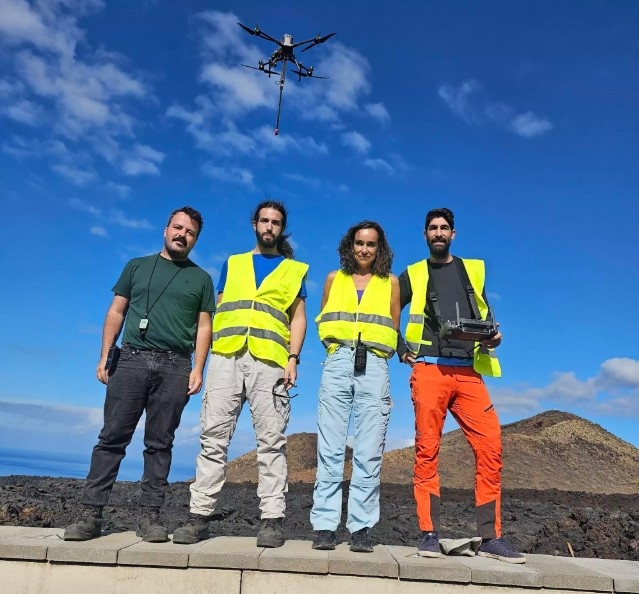
Un equipo de científicos del Instituto Nacional de Técnica Aeroespacial (INTA) —perteneciente al área de Magnetismo Espacial— se ha desplazado hasta el volcán Tajogaite, ubicado en la isla de La Palma, para realizar estudios de forma que «sirvan de entrenamiento para la interpretación de las medidas en exploración planetaria».
La «reciente erupción —en términos geológicos— del volcán en la isla de La Palma ha ofrecido «una oportunidad única de estudio en tiempo real de los distintos procesos a lo largo de la evolución y enfriamiento de las coladas» —apunta Marina Díaz Michelena, responsable de área de Magnetismo Espacial del INTA—. «En las erupciones volcánicas emerge material muy caliente a la superficie de la Tierra que, en contacto con la misma, empieza a enfriarse. Inmerso en el campo geomagnético, conforme se enfría, adquiere un orden, “imanación”, de modo que produce un campo magnético propio que difiere del circundante».
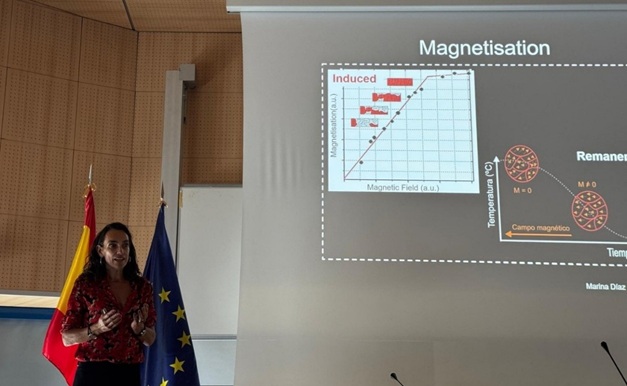
El pasado viernes tuvo lugar en el Centro de Astrobiología (CAB, INTA-CSIC), un seminario especializado del Área de Magnetismo Espacial, con la intervención de Marina Díaz Michelena, investigadora del Instituto Nacional de Técnica Aeroespacial (INTA). Durante su presentación, se abordó la relevancia de las investigaciones magnéticas en la comprensión de fenómenos clave en la evolución del Sistema Solar.
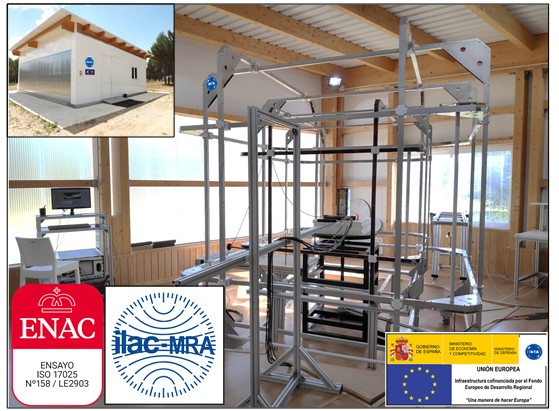
Desde el pasado 28 de marzo, la instalación de caracterización magnética del INTA cuenta con el Certificado de Acreditación ENAC que atestigua que la entidad cumple con los requisitos de la normativa ISO 17025. Esta instalación dispone de la competencia técnica para llevar a cabo mediciones de campo magnético en DC y cálculo de momento magnético en sus instalaciones de limpieza magnética de equipos espaciales en el edificio K-11.
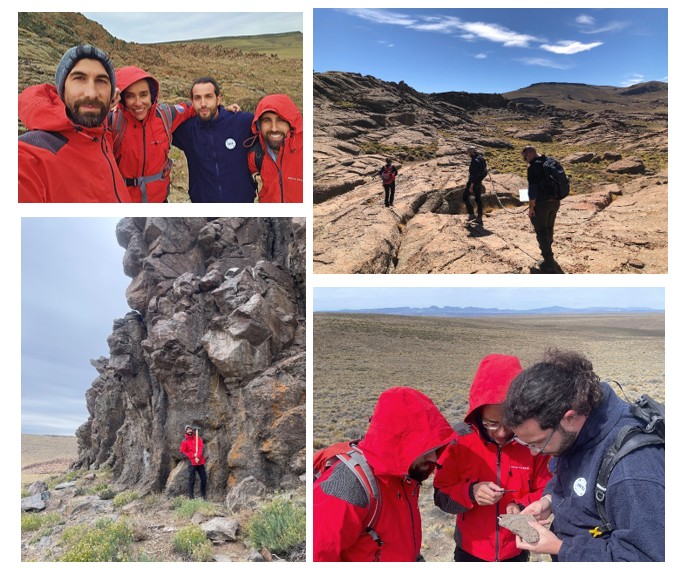
Un equipo del Área de Magnetismo Espacial del Instituto Nacional de Técnica Aeroespacial (INTA), en colaboración con el Servicio de Geomagnetismo del Real Instituto y Observatorio de la Armada (ROA), ha llevado a cabo una segunda campaña de investigación en el marco del proyecto MINOTAURO, financiado por la Agencia Estatal de Investigación del Ministerio de Ciencia, Innovación y Universidades. Este proyecto se centra en el estudio de análogos terrestres de Marte y la Luna.